This article was featured in Professional Motor Factor, February 2026 issue.
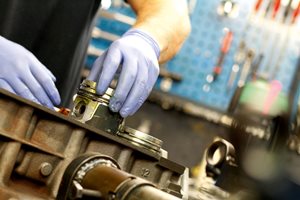
Often a distress purchase due to powertrain failure, remanufactured engines are arguably one of the most high value products that motor factors sell to garages. While price is a key selling point, with remanufactured major units costing around 40% less than a brand new OEM equivalent, it is also important to ensure that workshops are provided with accurate product information, including engine pre-installation guidelines and model-specific critical fitting information which must be followed.
To ensure that a replacement engine is fitted right first time and future problems are avoided, it is vital to establish the cause of the original unit’s failure and ensure the fault has been rectified. David Eszenyi, Ivor Searle’s Commercial Director explains:
“Unless the cause of the original engine failure is identified and resolved, it is very likely that the replacement unit will also suffer the same premature failure which is unlikely to be covered by the manufacturer’s warranty. It is also important for workshops to consider any other components that may have been affected are also replaced.”
“For example, where an engine has failed due to oil starvation, it is highly probable that the bearings inside the turbo will also have been damaged. Even if there is no obvious fault with the turbo at the time of engine replacement, it will inevitably cause premature failure in the near future with the potential to damage the new engine.”
“Fuel contamination of the lubrication system is a primary cause of failure for vehicles with ‘wet belt’ engines where the timing belt is constantly bathed in oil. The unintended introduction of fuel into the oil causes the timing belt to deteriorate and eventually fail with all other components that have an oil supply, such as the turbo and vacuum pump, also likely to have been contaminated with material from the damaged belt. Any degraded belt material in these components, as well as the oil feed and return pipes, will be transferred back into the new engine, leading to premature failure of the replacement unit.”
“If a piston has seized or disintegrated, it may be caused by faulty injector or contamination from misfuelling, alongside other causes including software issues, a faulty sensor, or a wiring fault. Where an internal engine failure has occurred, it is also common for debris to be blown back into the induction pipework and via the exhaust ports into the EGR valve. Failure to clean or replace these parts will inevitably cause debris to be drawn into the replacement engine with disastrous results.”
For peace of mind, all Ivor Searle engines, cylinder heads and gearboxes are covered by a transferable 12-month unlimited mileage parts and labour warranty, while a two-year warranty covers all turbochargers. All products are also supplied with pre-installation guidelines for the workshop. The remanufacturer also aims to make the exchange process for major units as easy as possible and provides purpose-designed cradles for engine delivery and return of the exchange unit to ensure the process is safe and straightforward.
Supplying over 1,500 factor automotive distribution outlets across the UK and EU Ivor Searle is a leading independent producer of remanufactured automotive major units. Established in 1946, the remanufacturer offers an all makes range of petrol and diesel engines, cylinder heads, gearboxes and turbochargers for cars and LCVs which cover over 90% of the UK vehicle parc.